Good germination changes the whole grow. A single healthy sprout saves weeks of stress compared with a seedling that struggles from the start. Over years of small batches and trial runs, I learned that germination is mostly predictable when you control four things: seed quality, moisture, temperature, and handling. Below I cover twelve practical tricks that together push germination from flaky to reliable, with concrete numbers, examples from the grow room, and the trade-offs worth considering.
Why focus on germination first Seeds are small batteries of potential. If they fail to break dormancy cleanly, you spend time and effort rescuing, or you throw space away. Getting a 90 percent germination rate instead of 60 percent means fewer replacements, less disease pressure, and a faster, more uniform canopy. That uniformity pays off during feeding and training later, when plants respond more similarly to light and nutrients.
1 — start with quality seeds The single biggest variable is the seed itself. Fresh, properly matured seeds have hard, dark shells and a visible sheen. When you squeeze them gently between thumb and forefinger, they should not crush; they should feel firm. A brown or gray color with striping and a slightly glossy finish usually indicates maturity.
Avoid seeds that are white, green, or have a split shell, those are often immature or damaged. I store seeds from trusted breeders in a cool, dark place in airtight containers with a small desiccant pack. When I buy seeds online I check seller feedback and avoid bulk lots priced far below market; poor pricing correlates with low viability more often than not.
2 — proper storage before planting Temperature and humidity determine how long a seed remains viable. Keep seeds at around 6 to 10 degrees Celsius if possible, and below 20 percent relative humidity. A household refrigerator works well for medium-term storage, inside an airtight jar with a silica pack. For very long storage, a freezer can work, but only if seeds are bone dry and sealed; freeze-thaw cycles will kill them.
I once forgot a jar of seeds on a damp windowsill, then tried to germinate them a year later with poor results. After that I began labelling each batch with purchase date and storage conditions. Older seeds can be viable, but expect germination to decline gradually after two to four years unless stored cold and dry.
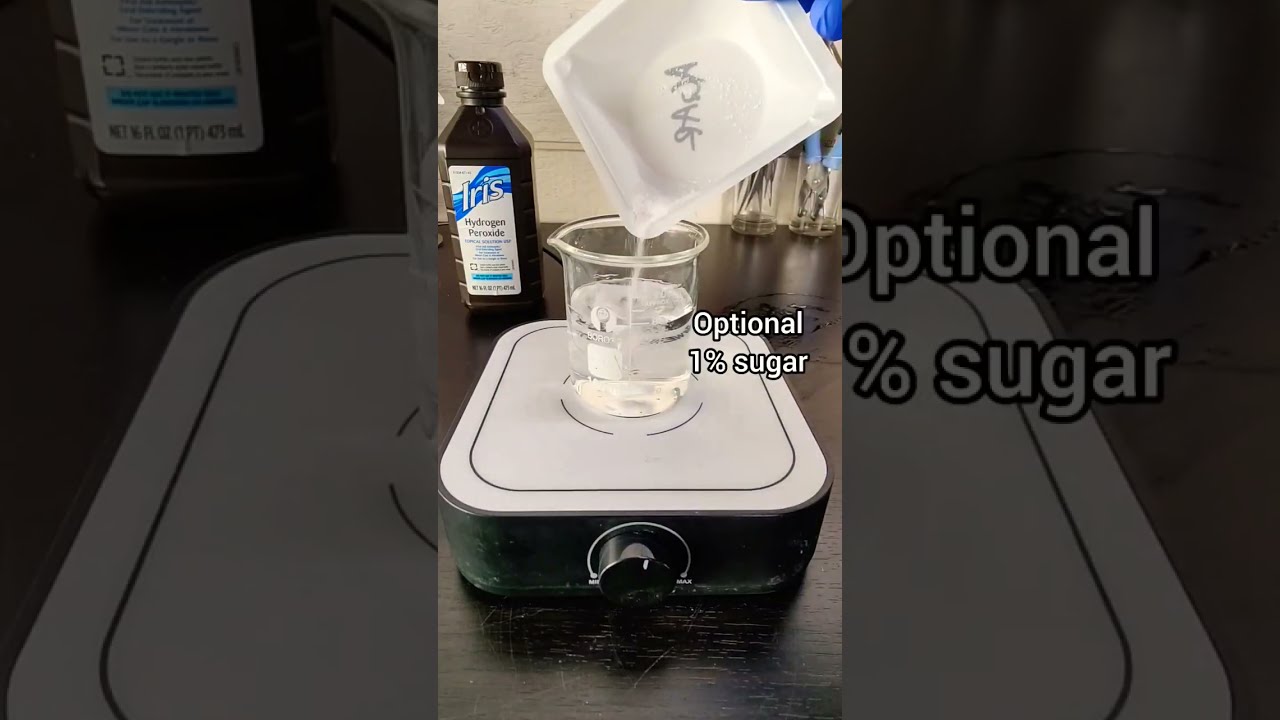
3 — pre-soak with a short, careful soak Soaking loosens the seed coat and lets the embryo access water quickly. Use fresh, room-temperature water and soak for 8 to 24 hours maximum. Too long invites oxygen depletion and fungal attack. You can add a tiny pinch of hydrogen peroxide to the water, about 3 percent solution diluted at roughly 1 part peroxide to 10 parts water, to gently oxygenate and disinfect, but rinse after soaking.
I soak seeds when they are from a new batch or feel particularly dry. After an 18-hour soak I transfer seeds to a towel or plug medium; soaking alone rarely produces reliable taproot emergence beyond 24 hours.
4 — scarification for very old or hard-coated seeds only Most cannabis seeds do not require scarification. For older, very hard seeds, lightly nicking the outer shell with a fine file or sanding paper makes sense. Do this under magnification and avoid damaging the inner membrane. Another method is a brief acid or heat treatment, but those are best left to experienced growers because you can easily kill the embryo.
I only scarify about one to two percent of seeds in practice, when I know they are ancient or show extreme hardness. The trade-off is clear: scarification can rescue viability, but careless work ruins the seed.
5 — use the paper towel method with controlled humidity The paper towel method remains popular because it combines visibility with simplicity. Fold two layers of unbleached paper towel, moisten them with water to a level where the towel is damp but not dripping, place seeds spaced apart, fold again, and tuck into a zip-top bag or container to hold humidity.
Temperature matters more than most people expect. Aim for 20 to 25 degrees Celsius for indica-dominant varieties, and closer to 22 to 26 degrees Celsius for sativa-dominant, which often prefer slightly warmer conditions for faster sprouting. Using a heat mat set to around 23 degrees helps reduce time to taproot from roughly 5 to 10 days down to 2 to 5 days.
Watch daily, keep the towel damp but not soaked, and transfer seeds to soil or plugs as soon as a taproot appears, typically 2 to 7 millimeters long. Leaving a taproot exposed in a wet towel invites root damage during transfer.
6 — germinate directly in the final medium for sensitive genetics Some strains suffer transplant shock when moved after the paper towel step. For those, plant directly into the final growing medium. Use small biodegradable pots or 2-inch starter cubes, moistened and stable in pH. Plant the seed about 3 to 6 millimeters deep, cover lightly, and maintain even moisture.
This method prevents root disturbance, but trade-offs include less visual confirmation of a sprout and a higher chance of seeds sitting too dry or too wet if the medium is not managed. I prefer direct sowing for rare, valuable seeds when the goal is to minimize handling.
7 — control pH of both soak water and medium Seeds will tolerate a fairly broad pH range, but the seedling and root environment should be near neutral in the first week. For soaks and paper towel water, aim for 6.0 to 7.0. For soil mixes, a pH of 6.0 to 6.5 is a safe zone. For soilless media like coco, aim 5.8 to 6.2. Measure, do not guess.
When I switched from guessing to using a reliable pH meter, early growth uniformity improved. Slight acidity helps nutrient uptake later, but extremes at the germination phase cause delayed emergence or failed sprouts.
8 — maintain gentle, consistent warmth and avoid temperature swings Seeds respond to consistent warmth far better than to fluctuating conditions. Night-to-day swings are fine within reason, but avoid sudden drops below 15 degrees Celsius. If your room temperature is inconsistent, a small heating mat with a thermostat is a worthwhile investment. If you live in a warm climate and daytime temps exceed 30 degrees, provide ventilation and avoid ministry of cannabis overheating the seed zone.
In one winter run I used a window sill with sun in the morning and a cold draft at night, and germination was patchy. Moving the tray to a heat-mat-equipped rack stabilized results.
9 — consider priming techniques for marginal batches Priming refers to brief pre-treatments that speed or improve germination. Kinetin or gibberellic acid are plant hormones sometimes used in seed labs, but for home growers a safe alternative is a mild chamomile or hydrogen peroxide soak, which reduces fungal pressure. Another option is a short refrigeration period, or stratification, for seeds that are unusually dormant, around 24 to 72 hours at 4 to 8 degrees Celsius before warming.
Use priming sparingly. If you have fresh, healthy seeds, extra treatment offers little benefit and risks overhandling.
10 — use sterile tools and clean media to prevent damping-off Fungal pathogens cause many early losses. Use fresh starter cubes, sterile trays, and clean hands or tweezers. I dip tweezers in isopropyl alcohol between handling seeds. Avoid compost or reused soil that has not been pasteurized. If a seedling shows a brown, slimy collar at soil level, that is classic damping-off, and the plant is usually lost.
Preventive measures matter more than cures at this stage. Fungicides are a last resort and are best avoided unless you understand product labels and legal restrictions.
11 — light only after sprout and keep it gentle Seeds do not need light until after they break the surface. Once the seedling is above ground, provide gentle light. For the first week, a fluorescent or low-intensity LED at 10 to 20 centimeters distance is enough. Too much light or heat too close will scorch fragile cotyledons.
I start with 100 to 200 micromoles per square meter per second for the first week and ramp up gradually over two weeks. Rapid exposure to full-intensity grow lights causes stretching or bleaching.
12 — document and iterate Treat germination like an experiment. Record seed batch, date, method, temperature, and outcome. When I began taking notes I learned that my local sativa landrace from a humid climate responded better to a slightly longer pre-soak and direct sowing, while indoor-bred hybrids were forgiving of the paper towel method.
A simple notebook with photos taken each day for the first week gives feedback you can use next cycle. If something goes wrong, the notes point to whether temperature, moisture, or seed quality was likely at fault.
Germination checklist
- verify seed age and appearance before starting. maintain moisture but avoid waterlogging. keep temperature steady between 20 and 26 degrees Celsius, adjusted by strain. transfer to medium promptly when a 2 to 5 millimeter taproot appears. use sterile tools and fresh media to minimize fungal risk.
Common problems and how to read them Slow or no germination after a week often indicates too cold or too dry conditions, or poor seed viability. If taproots are appearing but brown and mushy, that is a sign of rot from over-soaking or contaminated water. White, stringy fungus on towels or plugs means you need to start again with sterile conditions and possibly a hydrogen peroxide rinse protocol.
If seedlings emerge but lean heavily toward light, they lack sufficient intensity or are too far from the source. If cotyledons emerge but no true leaves follow, check pH and nutrient availability; sterile media sometimes lacks the microflora that helps nutrient exchange in early stages and may require very light starter nutrients or a mild compost tea after the second week.
An anecdote on trade-offs A decade ago I tried a no-dip, straight-to-soil approach with a mixed batch of heirloom and modern hybrids. The heirlooms loved it, but some modern hybrids stalled. It cost me a few rare plants. Later I adjusted: when I have a mixed batch I segregate seeds by source and run one small paper towel test. The extra step adds 24 to 48 hours but saves two weeks of potential recovery. Knowing the strain background helps pick the method.
Legal, safety, and ethical considerations Check local laws before purchasing or germinating any cannabis seeds. Where cultivation is legal, follow disposal and safety guidelines for unused seeds and plant material. Be mindful of neighbors and secure your grow area. Many of the germination tools here are harmless, but chemical treatments and plant hormones should be used with awareness of labels and legal constraints in your area.
Final thoughts on maximizing your germination rate No single trick guarantees perfect outcomes. The reliable approach combines good seed selection, stable warmth, controlled moisture, clean technique, and the humility to observe and adjust. Expect better returns when you match your method to the seed. Store seeds properly, treat valuable batches with care, and monitor consistently. Over time you develop a feel for your particular strains and environment, and that intuition is the last, most dependable tool in the toolbox.
If you want, provide details on your local climate, seed source, and whether you prefer soil or soilless mediums, and I can suggest a customized germination routine tuned to your conditions.